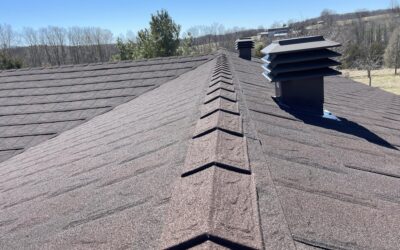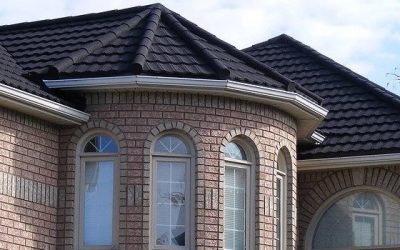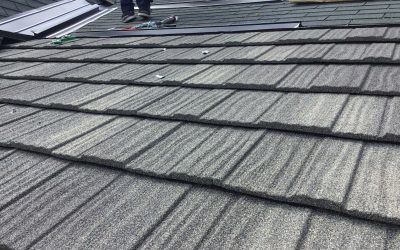
Having a stone-coated metal roof in winter offers several advantages over smooth metal or asphalt shingles. Here’s why it’s a great choice:
1. Better Insulation and Energy Efficiency
- Stone-Coated Metal Roof: The stone coating on these roofs adds an extra layer of insulation, helping to retain heat inside the home during the cold winter months. This reduces the need for excessive heating, which can lower energy bills.
- Smooth Metal Roof: Metal tends to conduct heat and cold easily, which can lead to heat loss in winter unless additional insulation is added underneath. Without such insulation, these roofs might not be as energy-efficient in cold climates.
- Asphalt Shingles: While asphalt shingles provide some insulation, they are generally not as effective at keeping heat in as stone-coated metal roofs.
2. Snow Shedding
- Stone-Coated Metal Roof: The textured surface of stone-coated metal roofs is excellent at shedding snow and ice, reducing the likelihood of dangerous ice dams or snow buildup on the roof. This allows snow to slide off more easily, preventing weight accumulation that can damage the roof or gutters.
- Smooth Metal Roof: While smooth metal roofs also allow snow to slide off, they may cause larger snow slides, creating potential hazards around the home. This can be a concern with very steep pitches, where snow can slide off too quickly and cause damage or injury.
- Asphalt Shingles: Asphalt shingles are less effective at shedding snow. Snow can accumulate and stay on the roof longer, contributing to ice dams or leaks. Additionally, ice dams can form at the eaves, blocking water from draining properly and potentially causing roof damage.
3. Durability and Long-Term Performance
- Stone-Coated Metal Roof: These roofs are incredibly durable and resistant to the harsh winter elements. They are not susceptible to cracking, curling, or warping, even in freezing temperatures. Their stone coating also protects against the formation of rust, which is a concern with some other types of metal roofing.
- Smooth Metal Roof: While metal roofs are durable, they are prone to expansion and contraction due to temperature changes. This movement can cause seams to weaken over time, leading to potential leaks or damage. However, high-quality metal roofs can still be a good option in winter with proper installation.
- Asphalt Shingles: Asphalt shingles can become brittle and prone to cracking in extremely cold temperatures. They may also suffer from granule loss or curling, which can compromise their effectiveness and lifespan. In heavy snow or ice conditions, asphalt shingles are more likely to get damaged compared to stone-coated metal roofs.
4. Reduced Ice Dams
- Stone-Coated Metal Roof: The ability to shed snow quickly helps to prevent the buildup of ice along the eaves, which can cause ice dams. Ice dams prevent proper drainage, leading to leaks and damage to the roof structure.
- Smooth Metal Roof: Metal roofs can still prevent ice dams to an extent, but they are often more susceptible to condensation forming under the roof, which can lead to moisture issues if not properly ventilated.
- Asphalt Shingles: These are more likely to trap moisture in the roofing system, which can lead to ice dam formation. When ice dams occur, they can cause water to back up under the shingles, leading to leaks inside the home.
5. Lightweight
- Stone-Coated Metal Roof: These roofs are generally lighter than asphalt shingles, which reduces the strain on the structure of the house. This is especially beneficial in areas where heavy snow accumulation is common, as the roof won’t be burdened by excess weight.
- Smooth Metal Roof: Though lightweight, smooth metal roofs do not provide the same insulating benefits as stone-coated metal roofs, and their performance in heavy snow or ice can be less predictable.
- Asphalt Shingles: Asphalt shingles are heavier than stone-coated metal roofs, adding more weight to the structure. This can be a problem in snow-heavy climates where the roof may accumulate excess weight.
6. Aesthetic Appeal
- Stone-Coated Metal Roof: These roofs mimic the appearance of traditional materials like tile, slate, or shakes, offering an aesthetic appeal with modern benefits. The stone coating also provides better UV resistance, helping to preserve the roof’s color and finish over time.
- Smooth Metal Roof: While functional, smooth metal roofs do not have the same aesthetic variety or traditional look that many homeowners prefer.
- Asphalt Shingles: Asphalt shingles are common but may not have the same aesthetic longevity in winter conditions. Snow, ice, and weathering can cause them to look worn down, losing curb appeal faster than stone-coated metal.
7. Noise Reduction
- Stone-Coated Metal Roof: The stone coating dampens the sound of rain, snow, and hail, providing a quieter indoor experience during storms.
- Smooth Metal Roof: Without the stone coating, smooth metal roofs can be noisy during snow and rain. The sound of snow sliding off can also be quite loud.
- Asphalt Shingles: Asphalt shingles offer better noise reduction than metal but are not as effective as stone-coated metal roofs.
Conclusion
In winter, stone-coated metal roofs offer superior insulation, durability, and snow-shedding abilities compared to smooth metal or asphalt shingles. They are less prone to ice dams, provide better energy efficiency, and are more resistant to the challenges of winter weather, making them an excellent choice for homeowners in cold climates.